
Rodent Control Orange County, CA
A rat or mouse problem rarely stays contained to one spot — Old Towne finds where they're actually getting in, not just where you've seen them. Rob Doughty and his team have handled rodent exclusion across Orange County since 1994, and covered work carries a 3-year warranty. Hearing scratching in the attic or walls? A free inspection identifies the entry points before more damage happens.
Schedule Your Free Consultation Today
Call (714) 628-6570
WHAT IS RODENT CONTROL?
Rodent control is the trapping, removal, and exclusion of rats and mice from a structure, along with sealing the entry points that let them in and, when needed, cleaning up the damage and contamination they leave behind. Unlike many pest issues that stay contained to a small area, rodents actively travel through a structure — nesting in an attic, foraging in a kitchen, and traveling wall voids in between — which is why effective rodent control has to address the whole property, not just the room where you've seen activity.
Rodent control generally involves three connected steps: trapping to remove rodents currently inside, exclusion to seal the specific gaps and entry points they're using to get in, and — when there's been a significant infestation — cleanup of droppings and damaged insulation, since rodent waste can pose a health risk if left in an attic or crawlspace. Bait alone, without exclusion, tends to only reduce the population temporarily, since new rodents can use the same entry points once the current ones are removed.
A professional rodent job should include a full inspection to physically locate entry points — commonly gaps around utility lines, vents, roof eaves, and foundation gaps — followed by trapping, sealing of every identified entry point, and a clear explanation of what was found. A poor provider sets a few traps or bait stations without ever locating or sealing the entry points, which means the problem returns as soon as the current rodents are caught, because nothing stopped the next ones from getting in the same way.
A common misconception is that setting traps or bait "solves" a rodent problem. Traps remove the rodents that are currently inside, but if the entry point they used is never found and sealed, new rodents typically move in within weeks or months, especially in Orange County during the cooler months when rodents actively seek shelter indoors. The lasting fix is exclusion — physically closing the ways in — not repeated trapping alone.
SIGNS YOU NEED RODENT CONTROL
Scratching or scurrying sounds in the attic or walls, especially at night. Rats and mice are largely nocturnal, so sounds that pick up after dark are one of the most common first signs homeowners notice, often before any visual confirmation.
Droppings near food storage, along baseboards, or in the attic. Rodent droppings are a strong confirmation of activity and also a health consideration — accumulated droppings in an attic should be professionally cleaned, not just swept up.
Small piles of debris near baseboards, window sills, or wood trim. This can indicate insect activity even when you haven't seen the pest itself — the debris is often frass or shed material left behind.A musty or unusual odor in a specific room or closet
Gnaw marks on wood, wiring, or plastic containers. Rodents' teeth grow continuously, so they gnaw to keep them worn down, and this can create real damage risk, including chewed electrical wiring, which is a fire hazard in an attic space.
A stale, ammonia-like smell in an enclosed space like an attic or crawlspace. This odor comes from concentrated urine and droppings in a nesting area, and its presence usually means the infestation has been established for a while, not just a day or two.
Greasy smear marks along walls or baseboards. Rodents travel the same routes repeatedly, and body oils leave a visible dark smudge along the path — this is a strong clue to where they're entering and moving through the structure.
Pet behavior changes, like a cat or dog fixating on a specific wall or vent. Pets often notice rodent activity well before people do, and persistent attention to one specific spot is worth investigating.
A previous termite treatment more than 3 years ago with no recent inspection. Termite protection isn't permanent — a property that hasn't been reinspected in several years is due for a check, especially before a warranty period lapses.
Increased rodent activity as temperatures drop in fall and winter. Orange County sees a seasonal uptick as rodents look for warm, dry shelter, which is why fall is a common time for new infestations to start.
Rodent problems tend to escalate quickly, since a single pair can lead to a much larger population within a matter of months. A free inspection identifies the entry points early, before the damage — and the population — grows.
WHY ORANGE COUNTY, CA HOMEOWNERS
NEED RODENT CONTROL
Orange County's mix of established, mature neighborhoods and dense residential development gives rodents plenty of resources — mature trees and dense landscaping for shelter, combined with the reliable food and water sources found around most homes. As temperatures drop from roughly October through February, rodents shift from outdoor foraging to actively seeking shelter indoors, which is why rodent calls in Orange County follow a noticeable seasonal pattern rather than staying flat year-round.
Older homes in and around Orange, particularly near the Old Towne Orange Historic District, often have more of the small foundation gaps, aging roof vents, and original construction seams that give rodents an easier way in compared to newer, tightly-sealed construction. That means an older Orange home and a newly built Irvine home can have very different levels of exclusion work required, even if the visible rodent activity looks similar.
Attics are a particular concern in this region, since rodent nesting in attic insulation is common and can lead to both structural cleanup needs and reduced insulation effectiveness — a rodent problem that's ignored for a season or two often turns into an insulation replacement project on top of the pest issue itself. "Almost every rodent call I get in the fall traces back to the same handful of entry points — a gap around a vent pipe, a spot where the roofline meets an older addition, that kind of thing," says Rob Doughty, owner of Old Towne Termite and Pest Control. "Trapping gets the current rodents out, but finding and sealing that specific gap is what actually stops it from happening again next year."
Rodent Control Services We Offer
Rodent Trapping and Removal
Addresses rodents currently active inside the structure. Traps are placed based on observed travel p...More
Rodent Exclusion / Entry Point Sealing
Physically seals every identified entry point — gaps around vents, utility lines, foundation, and ro...More
Rodent Droppings Cleanup and Sanitation
Cleanup and sanitizing of areas with accumulated droppings, addressing the health consideration that...More
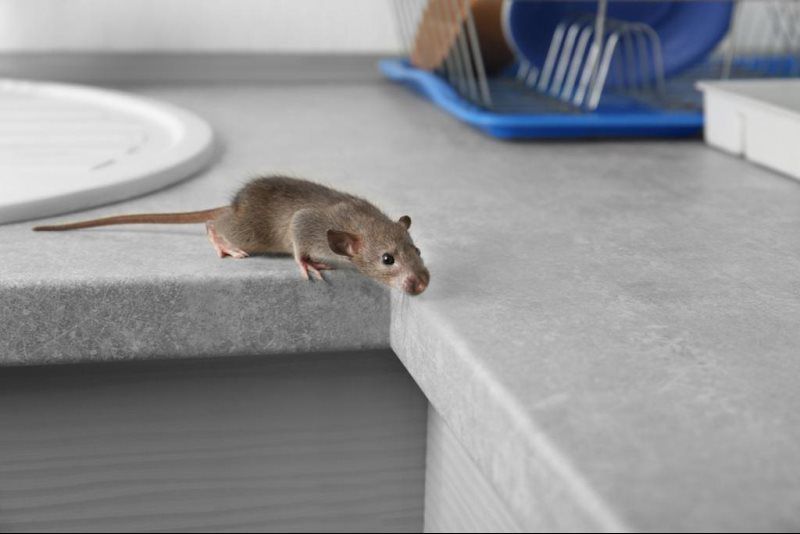
Rodent Control Service
Our technicians have the vast knowledge, experience, and expertise to understand the structure of a property and apply the most effective and innovative methods to properly seal it and keep rodents out. You don’t have to put up with mice and rats any longer!
Let our team collaborate with you to understand all concerns and deliver eco-friendly solutions that eliminate existing rodent activity and prevent these unwanted guests from coming back.

What We Do
For Rodent control, we need to perform a free no-obligation inspection.
We offer services to:
Trap out and remove necessary dead rodents.
Seal off any rodent entry points with construction-grade materials.
Vacuum and Disinfect rodent fecal matter and urine stains.
Full removal of all insulation affected by a rodent infestation.
Frequently Asked Questions (FAQ)
Got Questions? We’ve Got Answers!
How much does rodent control cost in Orange County, CA?
Cost depends on whether the job is just trapping, or trapping plus exclusion and cleanup. Trapping alone typically varies, while a full job including entry point sealing runs higher depending on how many entry points are found. Attic cleanup and insulation replacement is priced separately based on the extent of contamination. Every job starts with a free inspection and a firm price before work begins.
What's the difference between trapping and exclusion?
Trapping removes the rodents currently inside the structure. Exclusion is the separate step of physically sealing the gaps and entry points they used to get in, which is what prevents new rodents from moving in after the current ones are gone. Trapping without exclusion tends to be a temporary fix; the two together are what actually resolve the problem long-term.
What happens during a rodent control visit?
A technician inspects the attic, crawlspace, foundation, and roofline to physically locate entry points and assess activity. Traps are placed based on observed travel patterns, entry points are sealed, and if there's significant droppings or damaged insulation, cleanup is scoped and priced separately. You get a clear explanation of findings and a firm price before work begins.
Are rodent droppings actually a health risk?
Yes — accumulated rodent droppings, particularly in an enclosed attic space, can pose a health consideration and shouldn't just be swept up without proper cleaning and sanitizing. This is why cleanup is treated as its own step rather than an afterthought when there's been a significant infestation.
How long does it take to get rid of rodents?
Trapping typically shows results within the first week as active rodents are caught, though full resolution depends on how many entry points need sealing. Exclusion work itself is usually completed in a single visit once entry points are identified. The overall timeline to confirm the problem is fully resolved is often 2 to 4 weeks of monitoring after sealing.
Can I handle a rodent problem myself, or do I need a professional?
Store-bought traps can catch individual rodents, but without professionally locating and sealing the actual entry points, new rodents typically move in using the same access within weeks or months, especially during Orange County's cooler months. A professional inspection matters here because entry points are often in attics, rooflines, or foundation areas that aren't part of a typical homeowner's routine check.