
Termite Control In Orange County, CA Since 1994
Thirty years of termite inspections across Orange County have taught Rob Doughty exactly where drywood and subterranean termites hide in this region's older homes. Old Towne is licensed by the California Structural Pest Control Board [NEEDS LICENSE NUMBER] and stands behind every covered treatment with a 3-year warranty. Found damage, or just want to be sure? A free inspection tells you exactly what's happening before you commit to anything.
Schedule Your Free Consultation Today
Call (714) 628-6570
WHAT IS TERMITE CONTROL?
Termite control is the inspection, treatment, and prevention of termite infestations in a structure. Termites feed on the cellulose in wood, and left untreated they can cause significant structural damage over months or years — often without being visible until the damage is already extensive. Termite control starts with an inspection to confirm whether termites are present, identify the species, and determine the extent of any existing damage, followed by a treatment plan matched to what's actually found.
The two termite types most relevant in Southern California are drywood and subterranean termites, and they require fundamentally different treatment approaches. Drywood termites live entirely inside dry wood and don't need soil contact, which is why they're the more common issue in this region's dry climate — treatment options range from localized spot treatment for a contained infestation to full-structure fumigation (tenting) when the infestation is widespread or its extent can't be fully confirmed. Subterranean termites live in the soil and build mud tubes to reach wood above ground, and treatment typically involves a liquid termiticide applied around the structure's foundation to create a barrier they can't cross.
A professional termite inspection should include a look at all accessible areas — attic, crawlspace, foundation, eaves, and any exposed wood — with a written summary of findings, not just a verbal "looks fine." A poor provider skips the crawlspace or attic, recommends fumigation as a default answer without confirming the infestation actually requires it, or fails to explain the difference between drywood and subterranean activity, which leads customers to pay for treatment that doesn't match their actual problem.
A common misconception is that finding one area of termite damage means the whole property needs to be tented. Localized drywood infestations can often be treated with spot treatment or localized fumigation of the affected framing, at a fraction of the cost of a full-structure tent — the right call depends entirely on how contained the infestation is, which is exactly what a thorough inspection is for.
SIGNS YOU NEED TERMITE CONTROL
Mud tubes running along the foundation or exterior walls. These pencil-width tunnels are built by subterranean termites to travel between soil and wood while staying protected from open air, and finding them is one of the clearest signs of an active subterranean infestation.
Small piles of what looks like sawdust or pellets near wood trim or window sills. This is termite frass — waste pellets pushed out of galleries by drywood termites — and it indicates active feeding nearby, not just old, inactive damage.
Small piles of debris near baseboards, window sills, or wood trim. This can indicate insect activity even when you haven't seen the pest itself — the debris is often frass or shed material left behind.A musty or unusual odor in a specific room or closet
Wood that sounds hollow when tapped, or gives easily when pressed. Termites hollow out wood from the inside, so the surface can look intact while the structural integrity underneath is significantly compromised. This is often found in door frames, baseboards, or structural beams.
Discarded, translucent wings near windowsills or light fixtures. Termite swarmers shed their wings after finding a new nesting site, and finding a small pile of wings — especially in spring — is a strong sign a colony has recently established nearby.
Visible damage to wood that wasn't there previously, especially near roof eaves or attic framing. Drywood termites often start in exposed exterior wood like eaves, fascia boards, or attic framing, since that's where swarmers land and begin a new colony.
Doors or windows that suddenly stick or are hard to open. Termite damage to surrounding wood framing can subtly warp door and window frames, and this is often noticed before any wood damage is visually confirmed.
A previous termite treatment more than 3 years ago with no recent inspection. Termite protection isn't permanent — a property that hasn't been reinspected in several years is due for a check, especially before a warranty period lapses.
The longer termite activity goes untreated, the more expensive the eventual repair becomes, since ongoing feeding compounds structural damage over time. A free inspection is the fastest way to find out exactly what you're dealing with before it gets worse.
WHY ORANGE COUNTY, CA HOMEOWNERS
NEED TERMITE CONTROL
Southern California's dry climate is exactly the environment drywood termites thrive in, since they don't need soil moisture or contact to survive — they live entirely within dry wood. That makes drywood termite activity the dominant termite issue in Orange County, in contrast to wetter regions of the country where subterranean termites are more common. Orange County properties should expect drywood termite risk as an ongoing condition of the climate, not an occasional problem.
The city of Orange has a significant concentration of older homes, particularly around the Old Towne Orange Historic District, where original wood-frame construction, older eaves, and aging fascia boards give drywood termites more entry points and established wood to colonize than newer stucco-and-steel-frame construction typically offers. Properties in this area, and similarly aged homes throughout Orange County, tend to see more termite activity concentrated in original exterior wood trim than in additions or renovated sections.
California law requires a full property vacate during fumigation (tenting), since the process seals the structure and uses a gas fumigant that must fully clear before re-entry — typically 1 to 3 days depending on the fumigant and structure size. This is a state requirement, not a company policy, and it's one of the key factors in deciding between localized treatment and full fumigation: if an infestation can be confirmed as contained, spot treatment avoids this disruption entirely. "In Orange, especially around the older parts of town, we see drywood termites concentrated in the original eaves and trim far more than in additions people built in the last twenty years — that's usually where I tell people to look first if they're worried but haven't found obvious damage yet," says Rob Doughty, owner of Old Towne Termite and Pest Control.
OUR TERMITE CONTROL OPTIONS
Termite Inspection
A full property inspection to confirm whether termites are present, identify the species, and assess...More
Drywood Termite Treatment (No-Tent / Localized)
Used when a drywood infestation is contained to a specific, identifiable area. Treatment is applied ...More
Termite Fumigation (Tenting)
Used when a drywood infestation is widespread or its full extent can't be confirmed without opening ...More
Termite Control Service
We understand that every termite infestation is different. That’s why we go the extra mile to tailor our treatment plans to meet the specific termite control needs of your property based on the results of your inspection. Don’t underestimate these termites and take action before they have the chance to invade. Reach out today!
Our experts are the partners you can rely on to customize a comprehensive termite treatment program that will thoroughly detect termite infestations, stop termite activity, and protect your property from persistent termite threats and problems. We offer free inspections for homeowners and perform inspections for real estate transactions for a nominal fee.
What We Do
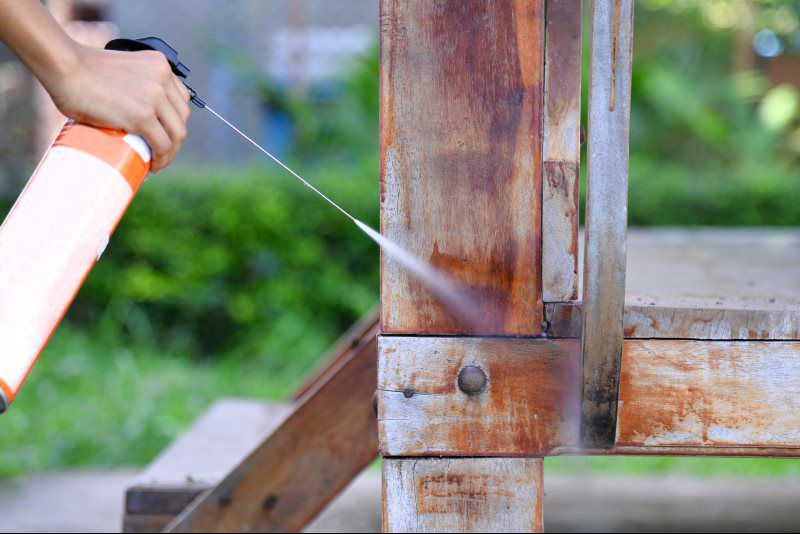
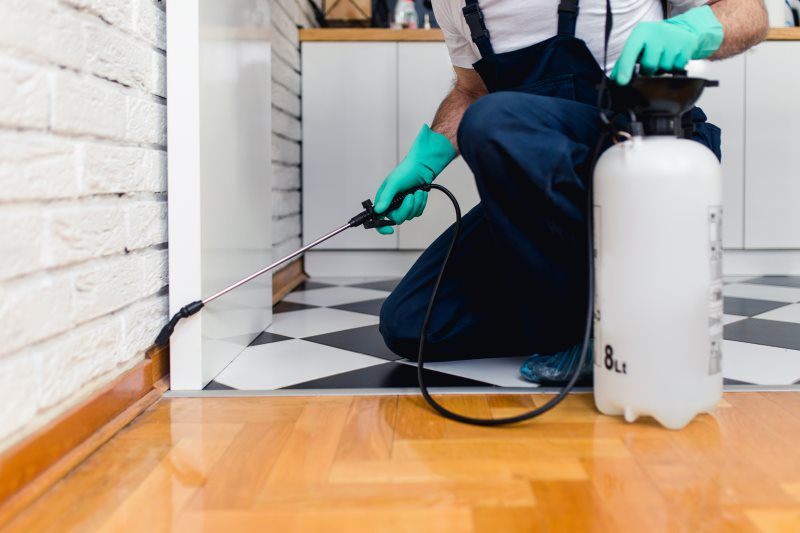
Termite Control Options: Local Treatment featuring Timbor, Boracare, Termidor, and Taurus.
Spot Only Whole house local treat option Repairs are done in-house Priming included, painting completed at additional cost HeatTreat Methods available Fumigation We work with HOAs and offer a 48-hour turnaround time on all real estate reports.
Frequently Asked Questions (FAQ)
Got Questions? We’ve Got Answers!
How much does termite treatment cost in Orange County, CA?
Cost depends heavily on the treatment method. Localized drywood spot treatment for a contained infestation typically varies, while full-structure fumigation is priced by square footage and generally runs into the low thousands for a moderate-sized home. Subterranean treatment is typically priced by linear foot of foundation. Every job starts with a free inspection and a firm written price before any work begins.
What's the difference between drywood and subterranean termites?
Drywood termites live entirely inside dry wood and don't need soil contact, which is why they're the dominant termite issue in Southern California's dry climate — treatment is usually localized spot treatment or fumigation. Subterranean termites live in the soil and travel to wood through mud tubes, requiring a soil-applied termiticide barrier around the foundation instead. Identifying which type is present is the first step in recommending the right treatment.
What happens during a termite inspection?
A technician examines all accessible areas of the property — attic, crawlspace, foundation, eaves, and exposed wood — looking for live activity, frass, mud tubes, and damage. You receive a written summary of findings, and if termites are found, a specific treatment recommendation matched to the type and extent of the infestation, with a firm price before any work begins.
Do I have to leave my home during termite treatment?
Localized drywood treatments and subterranean soil treatments generally don't require you to leave the property. Full-structure fumigation is the exception: California law requires the property to be vacated for 1 to 3 days, since the process seals the entire structure and uses a gas fumigant that must fully clear before re-entry is safe.
How long does termite treatment take?
Localized spot treatment is typically completed in a single visit, often within a few hours. Subterranean soil treatment around a foundation is usually completed in a day. Full fumigation requires 1 to 3 days of vacancy per California regulation, plus setup and clearance time.
Can I treat termites myself, or do I need a professional?
Over-the-counter termite products can sometimes suppress surface activity temporarily, but they rarely reach an entire colony, especially one hidden within wall framing or a crawlspace. A professional inspection matters here specifically because termite damage is often much more extensive than what's visible on the surface — treating only what you can see risks leaving the majority of an active infestation untouched.